
ARTIST RESIDENCY
Protected Time, Shared Space and the Practice of Living with Art
The ADMIRALS RESIDENCE is an artist-led cultural platform based in Muizenberg, Cape Town. Operating from a domestic live-work environment, it brings together artistic practice, hospitality, conversation and everyday life in close relation.
Rather than positioning the residency as a retreat from ordinary life, the programme asks a quieter question: what becomes possible when artists are given protected time, sustained attention and meaningful proximity to one another?
This article outlines the principles that have shaped the Residency’s development since 2021.
A House That Exists for Practice
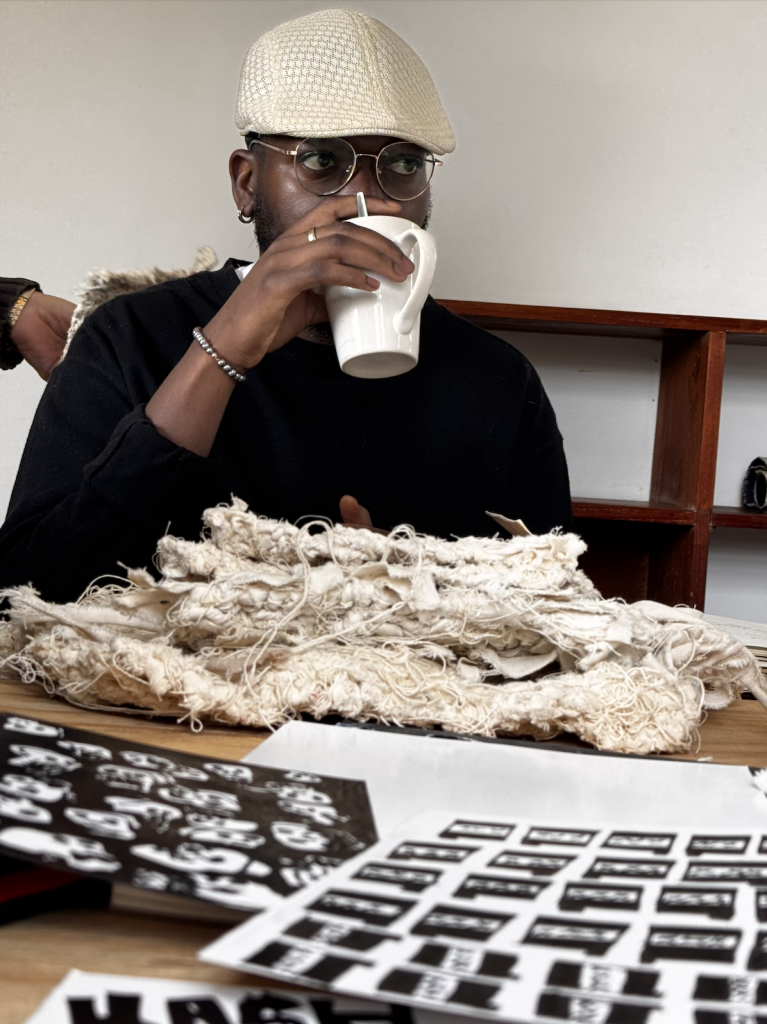
Contemporary artistic practice is often encountered through finished exhibitions, openings and increasingly compressed periods of production. These formats matter, but they leave little room to observe the slower conditions from which work actually emerges.
THE ADMIRALS RESIDENCE was established from a simple proposition: that artistic practice deserves time.
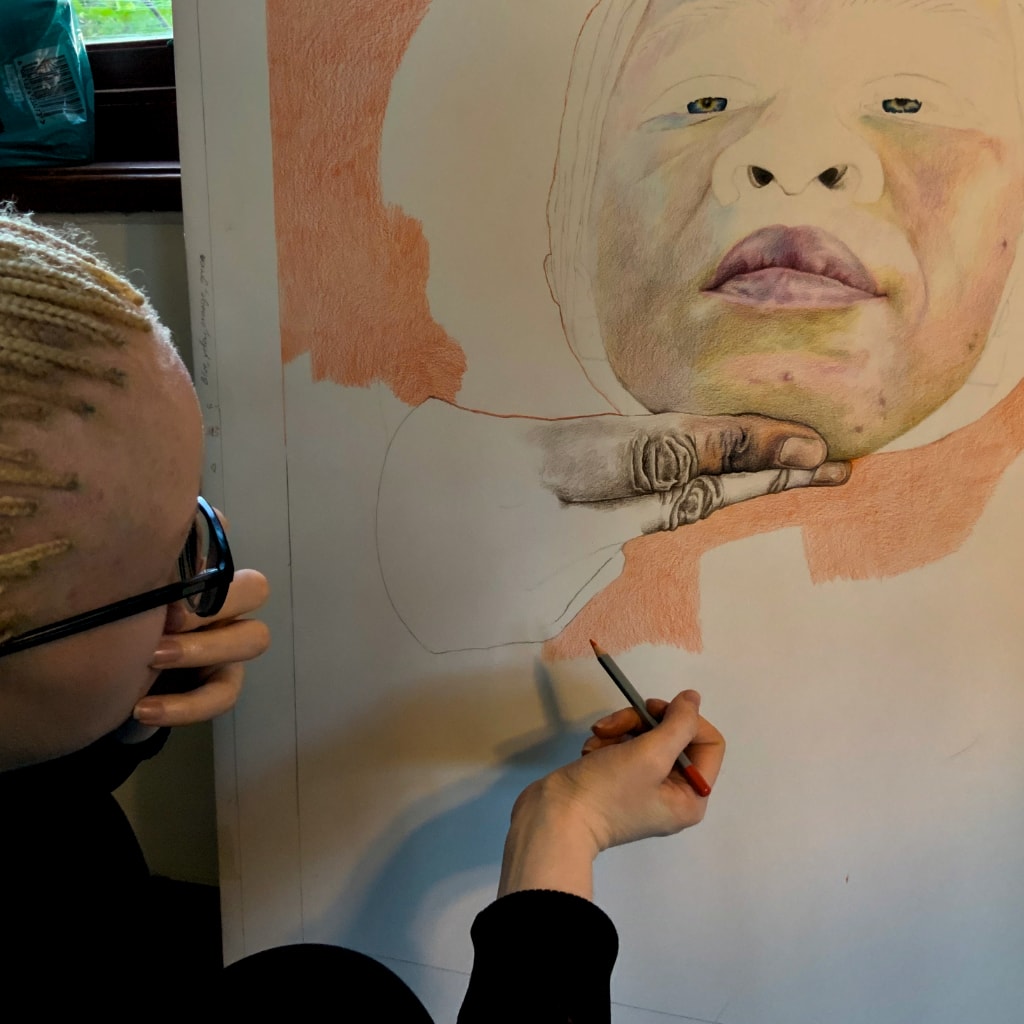
Located in Muizenberg, the Residence operates from a domestic environment where artists live, work, eat, converse and reflect within the same shared space. Rather than separating artistic production from daily life, the programme intentionally allows those experiences to remain connected.
A residency is not one thing. It can be a retreat, a school, a studio, an experiment, a public platform, or simply a rare stretch of time in which an artist can hear their own work again.
The ADMIRALS RESIDENCE does not attempt to reproduce the scale of larger residency institutions. It privileges continuity over spectacle, and relationships that develop through time rather than obligation.
Time as Material
At the ADMIRALS RESIDENCE, protected time is treated as part of the creative infrastructure itself, a concern shared by institutions like Akademie Schloss Solitude in Germany, whose fellowship language speaks of space for concentrated work and international exchange. ADMIRALS operates at a very different scale, but the underlying question is related: what happens when time is reorganized around practice rather than delivery?
Artists are encouraged to work without the expectation of immediate public outcomes. Conversations emerge naturally around meals, in the studio, during walks to the sea. Some exchanges become significant; others remain incidental. Both are considered valuable.
The programme does not prescribe collaboration, nor does it try to engineer particular results. It recognizes that influence develops indirectly, through proximity and repeated encounters rather than instruction. Anyone who has lived in a working house knows this. Influence rarely knocks politely at the front door. It drifts in while someone is washing a cup, arguing with a canvas, avoiding an email, or standing too long in front of another person’s unfinished work.
Hospitality as Practice
Hospitality is frequently understood as accommodation. Here it serves another purpose.
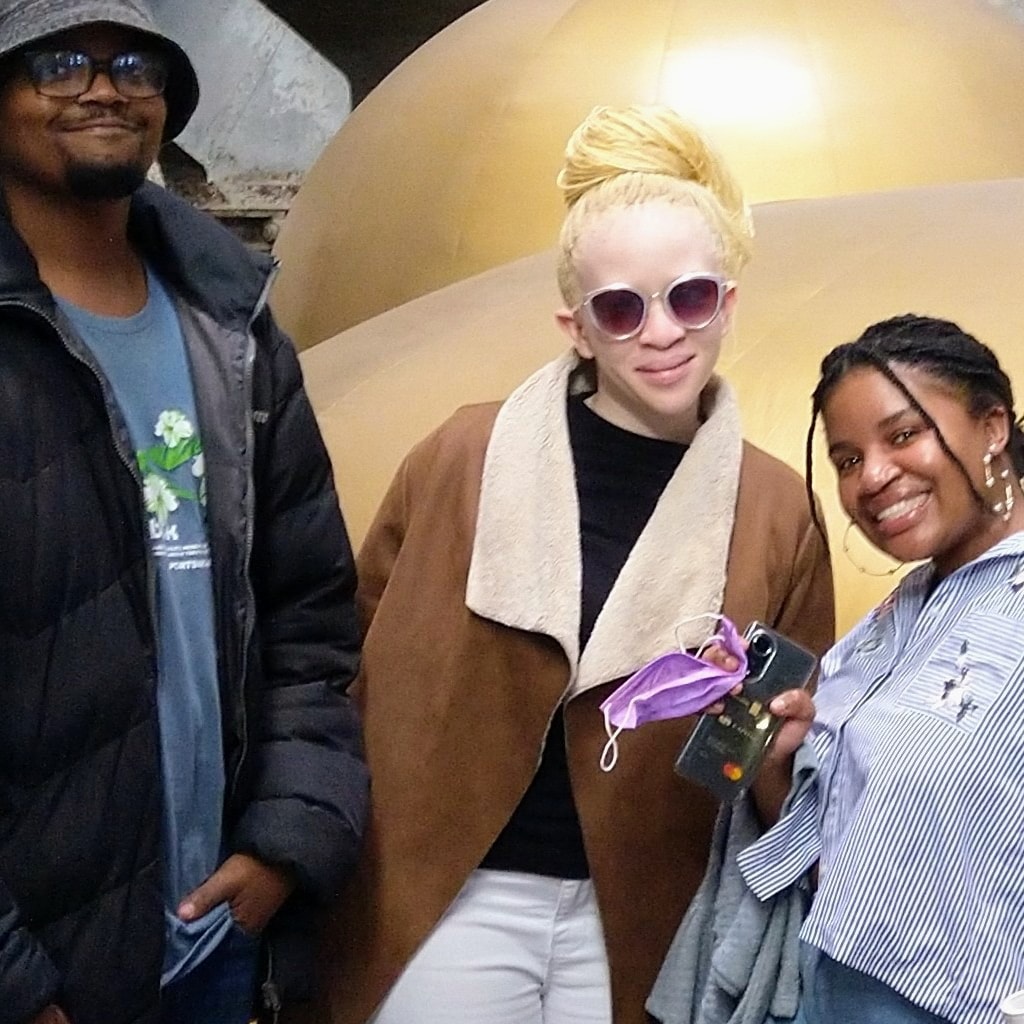
Sharing a table, preparing food, welcoming visitors; these create opportunities for dialogue that rarely occur in more formal institutional settings. The table changes the terms of attention. It allows disagreement to arrive more slowly. It makes room for the odd, unplanned sentence that later turns out to be the point.
But hospitality is also labour. The intimacy of the house is not produced by atmosphere alone. It is produced by maintenance, care and repetition: preparing rooms, cooking, cleaning up, remembering what a particular artist needs in order to work. Mierle Laderman Ukeles’s insistence that maintenance belongs within the field of cultural work remains an important corrective here. So does Lewis Hyde’s thinking on the gift, where exchange creates relation over time rather than a simple transaction.
The house understands hospitality less as service than as a framework that supports careful attention between people.
Living Alongside Practice
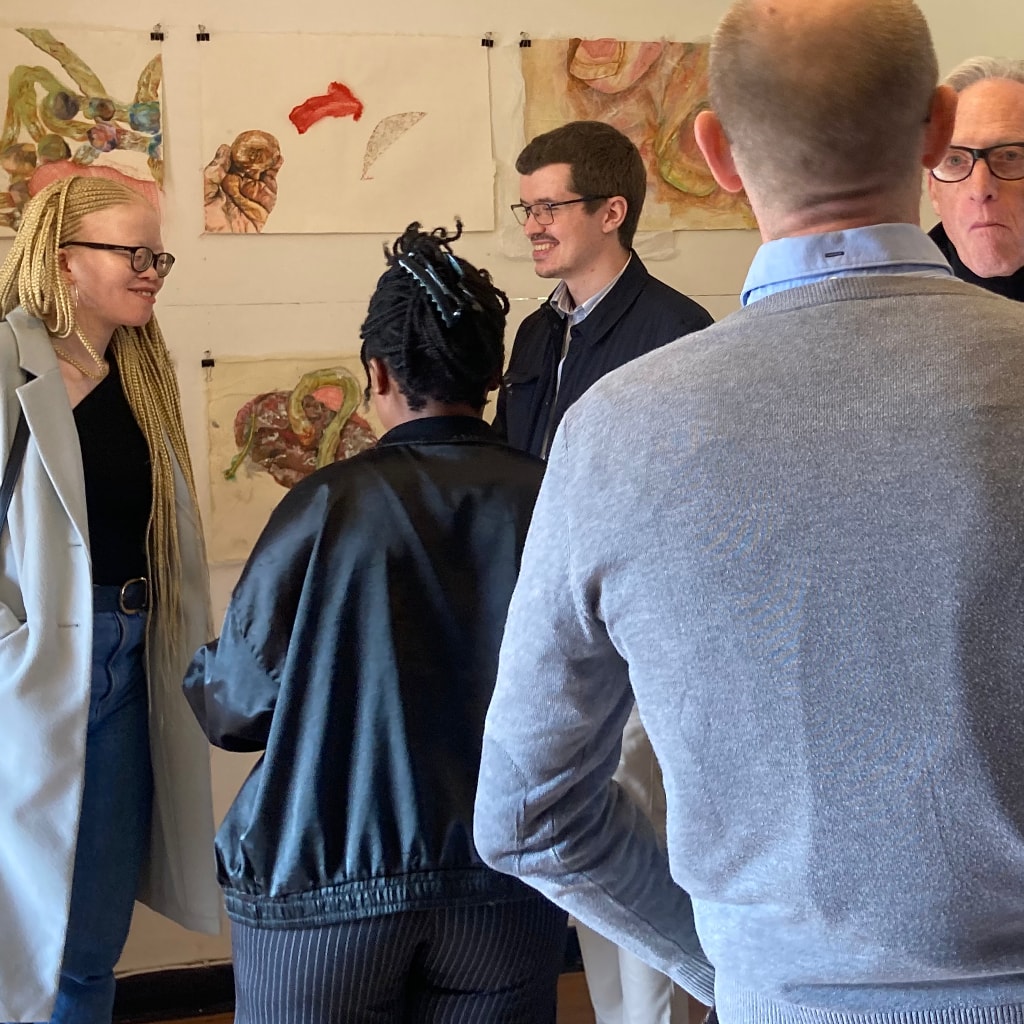
The Residence has developed gradually since 2021 through exhibitions, artist stays, studio visits, salon dinners, workshops and ongoing conversation. Initially these were not conceived as parts of a single programme; only with time has the continuity become visible.
In South Africa, this kind of gradual assembling of infrastructure has strong precedent. Bag Factory Artists’ Studios in Johannesburg and Greatmore Studios in Cape Town both built comparable ecologies of studio work, exhibition and exchange before either was fully named as such. ADMIRALS is smaller and younger, and it should say so without embarrassment. Scale is not a weakness if it is understood honestly. The house can do things precisely because it is small: notice the mood of a room, adjust the rhythm of a day, hold an unfinished conversation over more than one meal.
Projects such as IMMERSE | EMERGE, RELATED VARIETY and SAFE SPACES each explored different questions and involved different participants. Viewed retrospectively, they reveal recurring concerns: how artistic work responds to attention, how conversation shapes interpretation, and how domestic space can support cultural exchange differently than a gallery or studio can.
An Evolving Inquiry
THE ADMIRALS RESIDENCE cannot claim to have established a definitive methodology. That would be premature, and frankly a little suspicious.
Instead, a question has gradually emerged through experience: how does artistic practice change when it is held within conditions of protected time, meaningful attention and sustained proximity? That question continues to guide the programme, and places the Residence in loose conversation with institutions like RAW Material Company in Dakar, which understands art as a form of knowledge production and not only exhibition-making. This is not a comparison of scale. It is a recognition of intellectual neighbourliness.
Future residencies are intended not simply to host artists, but to document these experiences more carefully through artist testimony, publications and institutional memory. The aim is not to prove a theory. It is to observe more attentively what artists themselves experience while living and working together.
Looking Forward
Every residency contributes something different. Some produce exhibitions. Some lead to ongoing collaborations. Others simply alter the way an artist thinks about their own practice.
The value of the programme cannot be measured by any single event or artwork. It emerges through relationships that continue beyond each stay, and through the accumulation of shared experience within the house.
A residency, at this scale, is not an escape from the world. It is a temporary rearrangement of the world around practice.
Sources Referenced
Akademie Schloss Solitude. Fellowship programme description. akademie-solitude.de
Bag Factory Artists’ Studios. Programme description. bagfactoryart.org.za
Greatmore Studios. About / programme description. greatmorestudios.wixsite.com (verify current URL)
Hyde, Lewis. The Gift: Imagination and the Erotic Life of Property. Vintage Books, 1983.
RAW Material Company. About / mission statement. rawmaterialcompany.org
Ukeles, Mierle Laderman. Manifesto for Maintenance Art 1969!
Leave a Reply